Storm and Flood Cleanup in Grand Terrace, CA
Heavy rain can push runoff, mud and silt into garages and ground floor rooms. Crews remove the debris, treat the surfaces and dry the structure, with contaminated water handled in protective gear.
(888) 578-6508Request flood cleanup help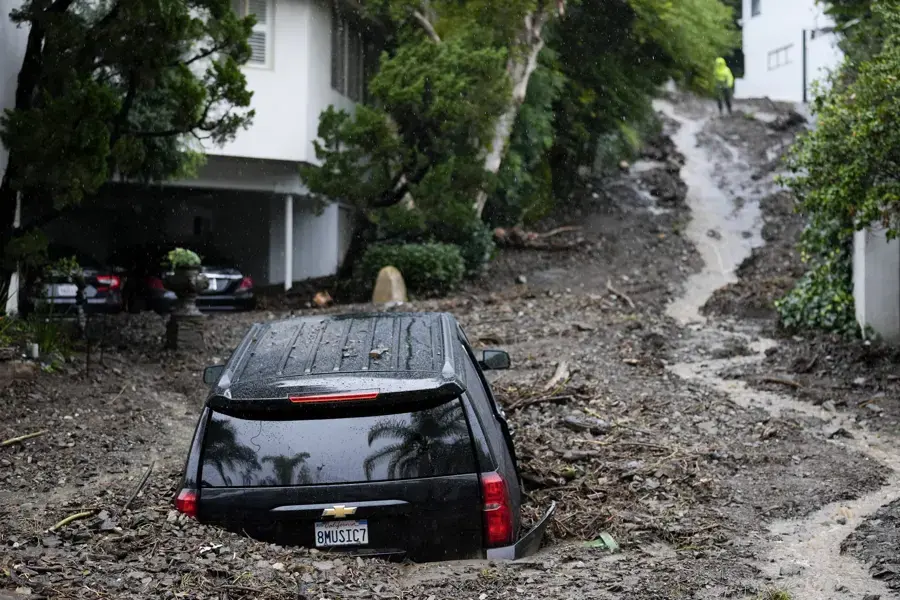
First steps for storm and flash flood cleanup in Grand Terrace
- Stay out of the water
Floodwater can hide electrical hazards, so keep family and pets away from it.
- Shut off utilities
Turn off power to flooded areas only if reaching the panel is safe.
- Take photos
Record water marks on walls, debris inside and every damaged belonging.
- Call before cleaning
Dispatch can advise what to leave alone until protective gear arrives.
Storm and Flash Flood Cleanup trade facts
How storm and flash flood cleanup is handled in Grand Terrace
The tech who does the walkthrough maps moisture before any equipment goes down, and the equipment stays until the readings say dry.
- 1
Assess and protect
Crews check electrical and contamination hazards, then set containment and protective gear.
- 2
Remove and extract
Silt, debris and standing water come out first, followed by carpet, pad and wet drywall that cannot be cleaned.
- 3
Clean and treat
Hard surfaces are washed and treated with antimicrobial products, and HEPA air scrubbers handle airborne dust.
- 4
Dry and verify
Dehumidifiers and air movers run until moisture readings meet the dry standard on the remaining structure.
Rapid local response
The response team runs 24/7 dispatch and treats active water as urgent, because every hour of wicking adds drying time.
IICRC S500 drying standard
IICRC S500 is the industry drying standard. Crews map moisture first and pull equipment only when the readings say dry.
Claim-ready documentation
A moisture map, daily psychrometric logs and timestamped photos taken before any demolition, the file an adjuster reads.
East Valley water know-how
Slab leaks under hard water, attic AC drains and foothill storm runoff: the local pros know how water moves in a Highland home.
What does storm and flash flood cleanup cost in Grand Terrace, CA?
Storm cleanup costs more than a clean water leak because mud, debris and contaminated water add labor, disposal and treatment. A garage with a thin layer of silt sits at the low end, and deep flooding sits at the top.
Garage or one room
- Runoff on a hard floor
- Mud and silt cleared
- Antimicrobial and drying
Several rooms
- Carpet, pad and lower drywall out
- Containment and disposal
- Structural drying
Major flooding
- Deep mud or debris flow
- Most porous materials out
- Extended drying and cleaning
These are typical ranges, not a quote: the category of water, the square footage, the material class and how fast drying started move the number most. Run the water damage cost calculator for a closer range; the restoration contractor who responds scopes the real job on site.
Storm water is not clean water. Runoff picks up soil, oil and debris on the way into a building, so flood cleanup starts with protection, then removal, then drying. Speed matters because silt hardens and soaked materials start to break down.
How storm water moves through Grand Terrace
Storm drains in the city are maintained by the City, and west of Mt. Vernon Avenue they run west and southwest to a County flood control channel. Heavy rain can still overwhelm a driveway, garage or low patio and send water through a door before the drains catch up.
San Bernardino County records great Santa Ana River Basin floods in 1862, 1867 and 1891 and major storms in 1938 and early 1969. That is regional history, not a Grand Terrace flood record, but it shows why the region plans for storm damage.
What the cleanup includes
- Mud, silt and debris shoveled and vacuumed out
- Wet carpet, pad and lower drywall removed and disposed of
- Floors and walls cleaned and treated with antimicrobial
- Containment and air scrubbers when the water is contaminated
Because floodwater is treated as contaminated, anything porous that soaked it up is usually removed instead of dried. Hard surfaces such as concrete and tile are cleaned, treated and dried. Drying then follows, as described on the structural drying page.
Hillside homes and Barton Road
Homes on the Blue Mountain hillside and buildings on the Barton Road corridor can be reached by runoff in different ways. The Barton Road Specific Plan area is not in a FEMA 100 year flood hazard area, but that does not stop a clogged drain or a heavy storm from putting water inside.
Storm and flash flood cleanup across Grand Terrace and nearby communities
Storm and flood crews work across Grand Terrace, from the Mt. Vernon Avenue corridor and the De Berry Street area to hillside streets on Blue Mountain and the Canal Street area, ZIP code 92313.
The same service nearby: storm and flash flood cleanup in Highland, Colton, Loma Linda.
Water damage restoration in Grand Terrace · every town covered
Storm and Flash Flood Cleanup questions in Grand Terrace, CA
Is floodwater from a storm safe to touch?
No. Storm water can carry soil, bacteria and chemicals, so crews wear protective gear and treat it as contaminated until cleaning proves otherwise.
Does insurance cover flood damage?
Standard homeowner policies often exclude flood from rising water, while a separate flood policy may apply. Wind driven rain or a burst pipe can fall under different coverage, so read the policy or ask the carrier.
How is a flooded garage handled?
Mud and standing water are removed, the floor and lower walls are cleaned and treated and drying follows. Stored boxes and wood items are sorted first so ruined contents are documented before disposal.
Is the Barton Road Specific Plan area at risk of flooding?
The Barton Road Specific Plan area is not in a FEMA 100 year flood hazard area, and the study found it generally flat. Even so, clogged drains and heavy storms can send runoff into buildings anywhere.
How long does drying take after a flood?
The schedule depends on how much water came in and what it soaked, and water extraction comes first. Cleaned hard surfaces dry quickly, while framing and subfloor need equipment and readings until they reach the dry target.
Storm water needs a careful cleanup
Contaminated runoff, silt and soaked materials call for protective gear and proper disposal before drying can begin, and every step is photographed for the claim.