Storm and Flash Flood Cleanup in Highland, CA
Heavy storms push runoff and mud off the San Bernardino Mountains into Highland garages and homes. The restoration team treats it as Category 3, removes what it touched and dries the structure, 24/7.
(888) 578-6508Storm water inside? Call Highland now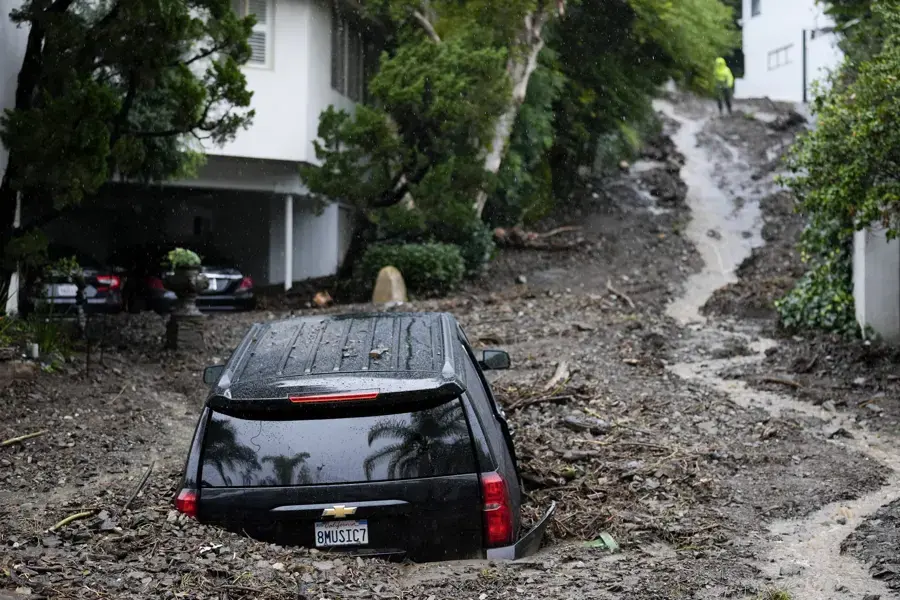
First steps for storm and flash flood cleanup in Highland
- Stay safe first
Never walk through moving water or mud; keep clear of downed wires.
- Shut off power
Switch off power to flooded areas from a dry spot, or wait for help.
- Photograph the damage
Take photos of water levels, mud lines and damaged contents.
- Keep children and pets out
Treat all floodwater and mud as contaminated.
Storm and Flash Flood Cleanup trade facts
How storm and flash flood cleanup is handled in Highland
The tech who does the walkthrough maps moisture before any equipment goes down, and the equipment stays until the readings say dry.
- 1
Safety and containment
The response team checks power, sets containment and suits up for Category 3 water.
- 2
Mud and water removal
The extraction crew shovels mud and pulls standing water out of the house and garage.
- 3
Porous material removal
The mitigation team removes carpet, pad, insulation and drywall the floodwater touched.
- 4
Clean, treat and dry
Crews clean surfaces, apply an EPA-registered antimicrobial and dry the structure to the goal.
Rapid local response
The response team runs 24/7 dispatch and treats active water as urgent, because every hour of wicking adds drying time.
IICRC S500 drying standard
IICRC S500 is the industry drying standard. Crews map moisture first and pull equipment only when the readings say dry.
Claim-ready documentation
A moisture map, daily psychrometric logs and timestamped photos taken before any demolition, the file an adjuster reads.
East Valley water know-how
Slab leaks under hard water, attic AC drains and foothill storm runoff: the local pros know how water moves in a Highland home.
What does storm and flash flood cleanup cost in Highland, CA?
Storm and flash flood cleanup in Highland typically runs $3,000 to $20,000 or more, because Category 3 water means removal, disposal and cleaning before drying. Square footage, mud depth and how many materials soaked drive the number.
Garage or one room
- Runoff on a slab floor
- Mud and silt removed
- Antimicrobial and drying
Several rooms
- Carpet, pad and lower drywall out
- Containment and disposal
- Structural drying
Major flooding
- Deep mud or debris flow
- Most porous materials removed
- Extended drying and cleaning
These are typical ranges, not a quote: the category of water, the square footage, the material class and how fast drying started move the number most. Run the Highland water damage cost calculator for a closer range; the restoration contractor who responds scopes the real job on site.
Highland sits at the foot of the San Bernardino Mountains, where City Creek, Plunge Creek and the canyon washes carry storm water toward the Santa Ana River. Most of the year is dry, then a winter storm or a summer monsoon burst drops heavy rain on steep ground, and runoff finds the lowest door, garage or slider.
Why flash floods hit Highland the way they do
- Steep foothill slopes send water downhill fast, often carrying mud and rock.
- Burn scars from past wildfires, like the 2003 Old Fire, shed water and debris in heavy rain.
- Hard, dry ground soaks up little water at the start of a storm.
- Homes along the foothill edge and near the creek washes take the first runoff.
How storm and flash flood cleanup works
Floodwater from outside is Category 3 from the moment it enters, because it carries soil, debris and sewage. The response team wears protective gear, shovels and extracts mud and water, and removes carpet, pad, insulation and drywall the water touched. Porous materials touched by Category 3 water get removed, not dried.
The mitigation team then cleans the remaining surfaces, applies an EPA-registered antimicrobial and sets air movers and dehumidifiers for structural drying. Garages and slab edges get extra attention because silt hides in cracks and under baseboards.
Storm flooding and insurance
Most homeowner policies exclude rising surface water and mudflow, which falls under separate flood insurance. Coverage depends on your policy, so check with your own insurer. Flood maps for Highland are on the FEMA flood maps pages, flood insurance basics are on FloodSmart.gov and flash flood safety is covered by the National Weather Service.
Trade fact: drying a wall that floodwater touched without removing the wet drywall seals the contamination inside.
Storm and flash flood cleanup across Highland and the East Valley
Coverage runs across all of ZIP 92346, from the Base Line corridor and Palm Avenue out to East Highlands Ranch, Highland Hills and the homes along Greenspot Road, plus nearby San Bernardino, Redlands, Mentone and Loma Linda.
Related water damage services in Highland
Storm and Flash Flood Cleanup questions in Highland, CA
Is storm floodwater really Category 3?
Yes. Water that comes in from outside carries soil, debris and often sewage, so it is Category 3 from the moment it enters the house.
Can wet drywall be dried after a flash flood?
No. Porous materials touched by Category 3 water, such as drywall, insulation, carpet and pad, get removed rather than dried.
Does homeowners insurance cover flash flooding?
Most homeowner policies exclude rising surface water and mudflow, which falls under flood insurance. Coverage depends on your policy, so check with your own insurer.
Why does mud come down after a wildfire?
Burned slopes repel water and lose the plants that hold soil, so heavy rain carries mud and debris downhill. Homes below burn scars face that risk for several years.
How long does flood cleanup take?
Removal and cleaning often take a day or two, then drying runs several more days. Deep mud and soaked framing take longer.
What should I do before the crew arrives?
Stay out of moving water, shut off power to flooded areas if it is safe, photograph the damage and keep children and pets away from the water.
Storm runoff or mud inside a Highland home? Call now.
The response team removes the mud and water, handles it as Category 3 and dries the structure, 24/7.