Storm and Flood Cleanup in Colton, CA
Heavy rain can push runoff, mud and silt into a Colton garage or living room. The crew removes the debris, treats affected surfaces and dries what can be saved, treating flood water as contaminated.
(888) 578-6508Request flood cleanup help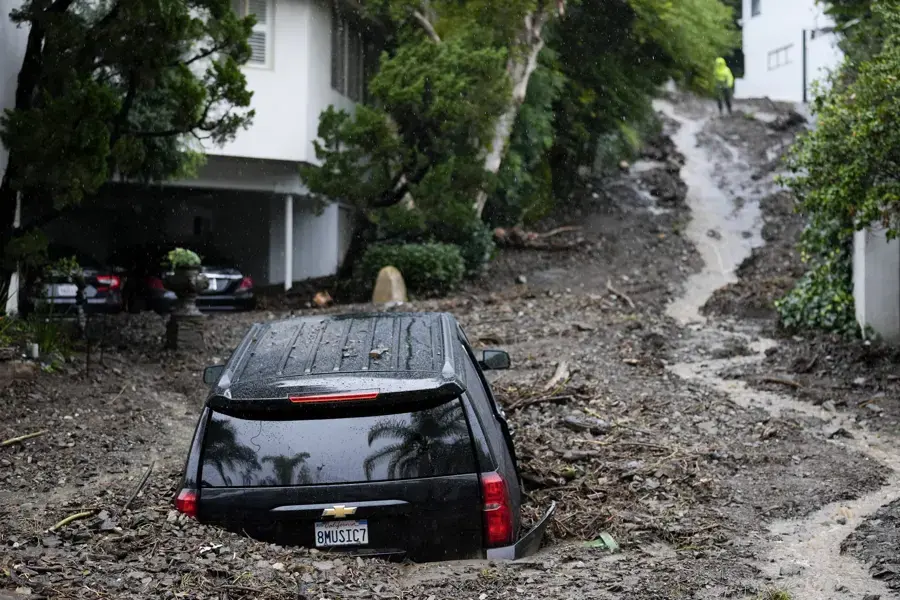
First steps for storm and flash flood cleanup in Colton
- Stay out of it
Avoid walking through flood water, which can carry sewage and debris.
- Shut off power
Turn off breakers to flooded rooms only if the panel is dry and reachable.
- Photograph everything
Take wide and close photos of the water level, mud and ruined belongings.
- Keep others out
Keep family and pets away until the area is cleaned and treated.
Storm and Flash Flood Cleanup trade facts
How storm and flash flood cleanup is handled in Colton
The tech who does the walkthrough maps moisture before any equipment goes down, and the equipment stays until the readings say dry.
- 1
Safe assessment
The crew checks the water, debris and contamination level and decides what protective gear and containment are needed.
- 2
Remove mud and debris
Silt and standing water are hauled out, and ruined porous materials are cut out and bagged.
- 3
Clean and treat
Hard surfaces are washed and treated with antimicrobial, then air scrubbers clear dust and odor from the work area.
- 4
Dry and verify
Equipment runs until framing and flooring edges read dry, with each visit's numbers recorded.
Rapid local response
The response team runs 24/7 dispatch and treats active water as urgent, because every hour of wicking adds drying time.
IICRC S500 drying standard
IICRC S500 is the industry drying standard. Crews map moisture first and pull equipment only when the readings say dry.
Claim-ready documentation
A moisture map, daily psychrometric logs and timestamped photos taken before any demolition, the file an adjuster reads.
East Valley water know-how
Slab leaks under hard water, attic AC drains and foothill storm runoff: the local pros know how water moves in a Highland home.
What does storm and flash flood cleanup cost in Colton, CA?
Storm and flood cleanup in Colton often runs from $3,000 for a garage or one room to $20,000 or more for major flooding with deep mud. Rooms affected and debris depth set the price.
Garage or one room
- Runoff across a slab floor
- Mud and silt carried out
- Treatment and drying
Several rooms
- Wet carpet, pad and lower drywall removed
- Containment and hauling
- Whole-room drying
Major flooding
- Deep mud or a debris flow
- Nearly all porous materials removed
- Long drying and washing
These are typical ranges, not a quote: the category of water, the square footage, the material class and how fast drying started move the number most. Run the water damage cost calculator for a closer range; the restoration contractor who responds scopes the real job on site.
Colton sits near the Santa Ana River, Warm Creek and Lytle Creek, and the valley has a documented flood history that includes 1862, 1884 and 1938. Storm runoff that reaches a house is handled as contaminated water.
What flood water leaves behind
Runoff carries mud, silt, leaves and bacteria across a slab or through a doorway. Porous materials such as carpet, pad and lower drywall absorb that mix and are removed instead of dried. Hard surfaces are scraped, washed and treated with an antimicrobial.
How a flood cleanup runs
- Mud and silt shoveled and vacuumed out
- Ruined carpet, pad and lower drywall cut out
- Surfaces washed and treated with antimicrobial
- Air scrubbers where dust is a concern
Garage and slab floors often take the runoff first, so mud comes out before pumps start. Debris-free floors let extraction equipment work without clogging.
Furniture legs, baseboards and door casings are wiped and treated too, because silt settles into every seam and stays damp long after the visible water is gone.
Drying after the cleanup
Once debris and ruined materials are gone, air movers and dehumidifiers dry framing and flooring edges. Dry soil absorbs less after a long dry spell, according to the city's climate assessment, which is one reason storm runoff can reach a property. Readings are logged each visit.
Photos before and after removal, plus a list of discarded materials, are kept for the insurance file. Flood coverage often differs from standard water coverage, so reading your own policy matters.
Sewage and flood water together
When flood water overwhelms drains, sewage can mix in. That raises the job to a full contaminated cleanup, covered under sewage backup cleanup, with protective gear and sealed disposal.
Storm and flash flood cleanup across Colton and nearby communities
Flood and storm calls come from across Colton, including Cooley Ranch along the Santa Ana River, Agua Mansa, South Colton and Reche Canyon, within ZIP codes 92324 and 92313. Crews adjust plans for each property.
The same service nearby: storm and flash flood cleanup in Highland, Grand Terrace, Loma Linda.
Storm and Flash Flood Cleanup questions in Colton, CA
Is storm water considered clean?
No. Runoff crosses streets, yards and drains before it reaches a house, so it carries bacteria and debris. Cleanup uses protective gear. Pumping is covered under water extraction.
Why are carpet and pad usually thrown out after flooding?
Porous materials soak up silt and bacteria that cannot be washed out. Removing them is safer and often cheaper than trying to disinfect something that holds contamination deep inside.
Can a garage be cleaned after a flash flood?
Yes. Concrete garage floors handle cleaning well. Mud is removed, the slab is washed and treated, and walls are checked for wicking before drying equipment is set.
How soon does cleanup need to start after a storm?
As soon as water recedes and the property is safe, because mud dries onto surfaces and moisture climbs into drywall. Early removal limits what has to be thrown away.
Does homeowner insurance cover flood damage?
Standard policies often treat flood differently from sudden pipe breaks. Your policy wording decides it, so go over it with your insurer and keep dated photos of the damage.
How do I document flood damage for a claim?
Take wide and close photos before anything is cleared, keep a list of lost belongings and save receipts. The crew adds moisture logs and removal records.
Clean up after the storm
Tell dispatch where the runoff entered and how deep the mud is, and a crew will plan removal, treatment and drying.