Roof Leak Water Damage in Highland, CA
Winter storms find the weak spots in tile underlayment, flat roof sections and cooler curbs. The restoration team dries the attic, the insulation and the ceilings below once the roof is tarped, 24/7.
(888) 578-6508Roof leaking? Call Highland now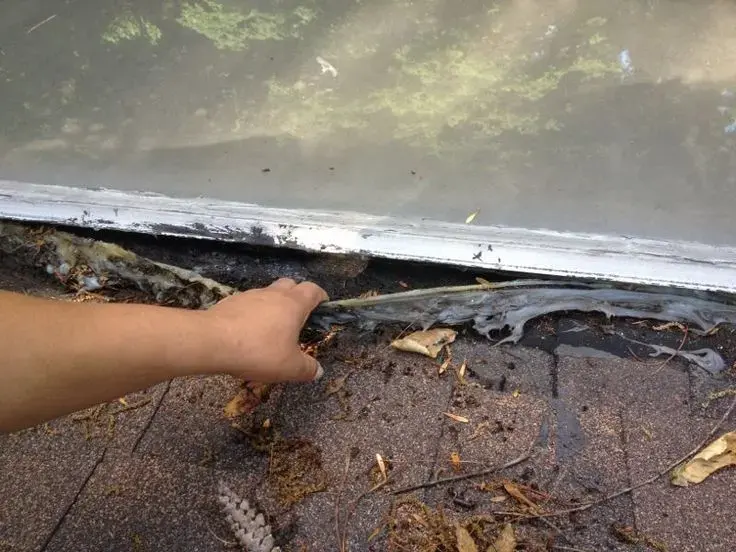
First steps for roof leak water damage in Highland
- Catch the drip
Put a bucket under the leak and move furniture and electronics away.
- Relieve a bulging ceiling
If the drywall bulges, stay out from under it until it is opened safely.
- Kill power to wet fixtures
Switch off breakers for lights or fans near the wet ceiling.
- Photograph the stain
Take photos of ceilings and walls as the stain grows.
Roof Leak Water Damage trade facts
How roof leak water damage is handled in Highland
The tech who does the walkthrough maps moisture before any equipment goes down, and the equipment stays until the readings say dry.
- 1
Attic inspection
The tech who does the walkthrough reads the decking, rafters and insulation above the stain.
- 2
Wet insulation out
The mitigation team bags soaked insulation and opens sagging drywall safely.
- 3
Air movers and dehumidifiers
The drying team dries the attic framing, ceiling and walls together.
- 4
Readings to dry
Crews log readings daily and pull equipment when the framing and drywall read dry.
Rapid local response
The response team runs 24/7 dispatch and treats active water as urgent, because every hour of wicking adds drying time.
IICRC S500 drying standard
IICRC S500 is the industry drying standard. Crews map moisture first and pull equipment only when the readings say dry.
Claim-ready documentation
A moisture map, daily psychrometric logs and timestamped photos taken before any demolition, the file an adjuster reads.
East Valley water know-how
Slab leaks under hard water, attic AC drains and foothill storm runoff: the local pros know how water moves in a Highland home.
What does roof leak water damage cost in Highland, CA?
Roof leak water damage in Highland typically runs $1,200 to $7,000 for the interior dry-out, not counting the roof repair. Wet insulation, how many ceilings got wet and how long the leak ran drive the cost.
Small stain
- One ceiling area
- Attic insulation checked
- Drywall dried in place
Wet attic and ceiling
- Wet insulation removed
- Ceiling drywall opened
- Decking and rafters dried
Several rooms
- Water spread along framing
- Ceilings and walls removed
- Extended structural drying
These are typical ranges, not a quote: the category of water, the square footage, the material class and how fast drying started move the number most. Run the Highland water damage cost calculator for a closer range; the restoration contractor who responds scopes the real job on site.
Highland roofs spend most of the year baking in the sun, then take a few hard winter storms. Concrete and clay tile shed water well, but the underlayment beneath them dries out and cracks over the years, and flat roof sections, skylights and old evaporative cooler curbs open up in the first big rain.
Where roof leak water damage starts in Highland
- Cracked or slipped tiles over aging underlayment.
- Flat roof sections over patios, additions and garages.
- Flashing at chimneys, skylights and wall junctions.
- Curbs and penetrations left from rooftop evaporative coolers.
A roofer stops the leak and tarps the roof. The restoration team handles the water already inside the attic and the rooms below.
How roof leak water damage is dried
The tech who does the walkthrough checks the attic first, because blown-in insulation soaks up rain and holds it against the ceiling drywall. Wet insulation usually comes out. Thermal imaging shows how far water traveled along rafters and down wall cavities before it stained a ceiling.
The drying team then dries the roof decking, framing and drywall with air movers and dehumidifiers, and opens sagging ceilings safely. When the water came from an interior pipe instead, see ceiling leak water damage.
Roof leak water damage and the claim
Insurers often look at whether a roof leak came from sudden storm damage or from wear over time, and coverage depends on your policy. The restoration contractor who responds documents attic readings, ceiling photos and the drying logs. Storm preparedness tips are on Ready.gov, and attic insulation basics are on the Energy Saver site.
Trade fact: a small ceiling stain often sits under a much larger patch of wet insulation in the attic.
Roof leak water damage across Highland and the East Valley
Coverage runs across all of ZIP 92346, from the Base Line corridor and Palm Avenue out to East Highlands Ranch, Highland Hills and the homes along Greenspot Road, plus nearby San Bernardino, Redlands, Mentone and Loma Linda.
Related water damage services in Highland
Roof Leak Water Damage questions in Highland, CA
Does the restoration team fix the roof?
No. A roofer repairs the roof and tarps it. The restoration team dries the attic, insulation, ceilings and walls inside.
Does wet attic insulation have to be replaced?
Usually. Blown-in insulation that soaked up rain packs down and holds water against the ceiling, so it is removed and replaced after the attic dries.
Why is the stain small when the leak was big?
Water runs along rafters and pools in insulation before it shows on a ceiling, so a small stain often sits under a much larger wet area.
How long does it take to dry after a roof leak?
A small area often dries in three to five days. Soaked insulation, decking and several ceilings take longer, and equipment stays until readings say dry.
Is roof leak water damage covered by insurance?
It depends on your policy and on whether the leak came from sudden storm damage or from wear. Check with your own insurer.
Can a roof leak cause mold?
Yes. Mold can start on wet materials inside 24 to 48 hours, and attic insulation stays wet out of sight, so drying starts right after the roof is tarped.
Rain coming through a Highland ceiling? Call now.
The restoration team pulls wet insulation, dries the attic and the ceilings below and documents it, 24/7.