Water Extraction in Colton, CA
Pumps and weighted wands pull standing water from Colton floors before it climbs wall bottoms, and meters then show which materials are still holding moisture. A technician explains the plan before heavy equipment goes in.
(888) 578-6508Send a Colton pump crew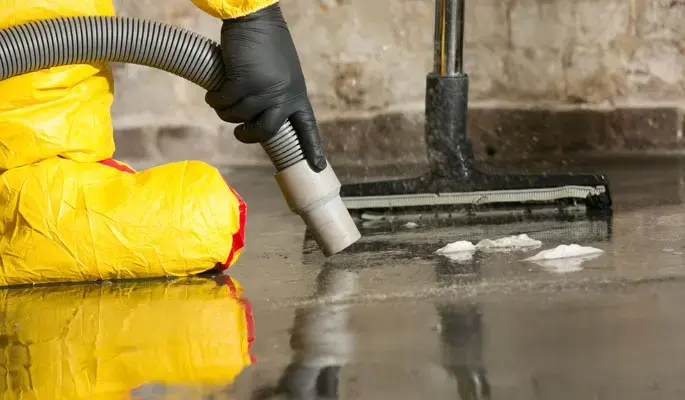
First steps for water extraction and removal in Colton
- Stop the supply
Shut the water at the main or fixture valve before anything else.
- Lift what you can
Raise small items, cushions and rugs onto dry counters or furniture.
- Photograph the pool
Capture how high the water reached on walls and furniture before pumping begins.
- Keep traffic off
Leave wet carpet where it is so the crew can read it.
Water Extraction and Removal trade facts
How water extraction and removal is handled in Colton
The tech who does the walkthrough maps moisture before any equipment goes down, and the equipment stays until the readings say dry.
- 1
Walkthrough first
Meters and an infrared camera trace the wet areas, then the scope is explained before equipment goes in.
- 2
Water pulled out
Pumps and wands take standing water off floors, and ruined pad is lifted.
- 3
Dry the structure
Air movers and dehumidifiers are set so walls, baseboards and floor edges lose moisture steadily.
- 4
Check and release
Readings are taken each visit, and equipment leaves only after every wet material measures dry.
Rapid local response
The response team runs 24/7 dispatch and treats active water as urgent, because every hour of wicking adds drying time.
IICRC S500 drying standard
IICRC S500 is the industry drying standard. Crews map moisture first and pull equipment only when the readings say dry.
Claim-ready documentation
A moisture map, daily psychrometric logs and timestamped photos taken before any demolition, the file an adjuster reads.
East Valley water know-how
Slab leaks under hard water, attic AC drains and foothill storm runoff: the local pros know how water moves in a Highland home.
What does water extraction and removal cost in Colton, CA?
Water extraction in Colton typically runs from $400 for one room up to $3,500 or more for a whole floor or contaminated water. Final totals follow the readings.
Small area
- A single room or closet
- Hard floors or bare slab
- Pump-out and moisture readings
Several rooms
- Carpet and pad extracted
- Soaked pad removed as needed
- Moisture map for drying
Large or contaminated
- Whole floor or gray water
- Gear, bagging and disposal
- Porous materials cut out
These are typical ranges, not a quote: the category of water, the square footage, the material class and how fast drying started move the number most. Run the water damage cost calculator for a closer range; the restoration contractor who responds scopes the real job on site.
Standing water travels across a Colton floor and wicks into drywall edges and cabinet bases the longer it sits. Extraction comes first, because drying cannot begin until the bulk of the water is gone.
What happens at the walkthrough
The technician walks every affected room first, noting where the water entered, which walls feel damp and which belongings must move. An infrared camera shows cool, wet patches behind finishes that look dry.
How the pumping stage works
- Weighted wands lift water out of carpet and pad
- Pumps drain deeper pools from tile, vinyl and bare slab
- A moisture map marks what the water reached
Wet carpet that cannot be saved is cut into strips and bagged, so it leaves the house without dripping through other rooms.
Colton homes sit on a valley floor of gravel, sand, silt and clay, which is why crews work to get standing water out before it settles into wall bottoms. Structural drying follows once the surface water is gone.
What stays and what goes
Carpet can often be saved when the water is clean and extraction starts early. Pad is cheaper to replace than to dry, so it is usually lifted. Tile and vinyl floors need the water removed from seams, and bare slab needs little beyond pumping.
Timing matters because pad and baseboards soak water up quickly. A delay can turn a small extraction into replacement of carpet, flooring and lower drywall, so an early call keeps the job smaller.
Gray and black water changes the plan
Overflow from a washer or dishwasher carries soap and light contamination, so wet pad and porous material come out. Sewage or flood runoff is treated as contaminated, with containment and protective gear, and moves to sewage backup cleanup.
Water extraction and removal across Colton and nearby communities
Pump and extraction crews work throughout Colton, from South Colton and Agua Mansa to Cooley Ranch and Reche Canyon, including both ZIP codes 92324 and 92313, and the blocks around Valley Boulevard.
The same service nearby: water extraction and removal in Highland, Grand Terrace, Loma Linda.
Water Extraction and Removal questions in Colton, CA
How long can wet carpet stay in place?
Wet carpet should be extracted as soon as the water source is stopped. Clean-water carpet may be saved, but pad is usually replaced because it holds water and dries poorly.
Does extraction always mean removing flooring?
No. Tile, vinyl and slab usually need only pumping and drying. Carpet is often kept when the water was clean, while laminate and swollen wood floors depend on what the readings show.
Why do crews check walls after the water is gone?
Water wicks upward into drywall and sits inside cavities. Meters and an infrared camera confirm what the floor surface hides, so structural drying can target the right spots.
What if the water came from a washer overflow?
Overflow is gray water. Extraction still comes first, but pad and other porous materials near the spill are more likely to be removed. The technician explains each choice during the walkthrough.
Can extraction happen at night or on weekends?
Dispatch takes calls around the clock, so a weekend flood does not have to wait for office hours. Crews bring pumps and wands to the loss.
What records come with an extraction job?
Photos, readings and a list of removed materials are kept for the job file, giving an adjuster something concrete to check.
Start with the pumping
Tell dispatch where the water is and what it came from, and a technician will plan the extraction and the drying that follows.