Roof Leak Water Damage in San Bernardino, CA
Winter storms and autumn Santa Ana winds can open a roof just enough to soak attic insulation and drop water onto a top floor ceiling. The damage inside gets removed and dried while the roofer handles the shingles.
(888) 578-6508Book a roof leak crew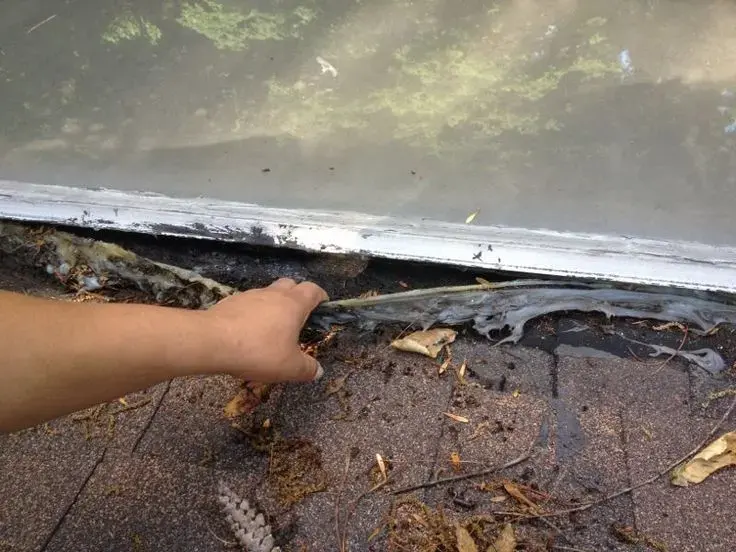
First steps for roof leak water damage in San Bernardino
- Contain the drip
Set a bucket under the leak and move furniture out from below.
- Skip the bulge
Avoid poking or standing under a bulging ceiling that might release water.
- Cover the roof
Ask a roofer for a tarp or temporary patch once it is safe to climb.
- Photograph the stains
Capture ceiling spots, attic insulation and any dripping before cleanup.
Roof Leak Water Damage trade facts
How roof leak water damage is handled in San Bernardino
The tech who does the walkthrough maps moisture before any equipment goes down, and the equipment stays until the readings say dry.
- 1
Check the attic
Moisture meter and thermal camera readings show where insulation, decking and rafters are wet.
- 2
Remove the wet
Soaked insulation and failed ceiling drywall are cut out and bagged.
- 3
Open for air
Air movers and dehumidifiers dry the attic space, the ceiling cavity and neighboring walls.
- 4
Verify dry
Readings are taken again and logged until every material reaches a dry standard.
Rapid local response
The response team runs 24/7 dispatch and treats active water as urgent, because every hour of wicking adds drying time.
IICRC S500 drying standard
IICRC S500 is the industry drying standard. Crews map moisture first and pull equipment only when the readings say dry.
Claim-ready documentation
A moisture map, daily psychrometric logs and timestamped photos taken before any demolition, the file an adjuster reads.
East Valley water know-how
Slab leaks under hard water, attic AC drains and foothill storm runoff: the local pros know how water moves in a Highland home.
What does roof leak water damage cost in San Bernardino, CA?
Roof leak water damage in San Bernardino runs about $1,200 to $2,500 for a small stain, $2,500 to $5,000 once attic insulation and ceilings are opened, and $5,000 to $7,000 or more across several rooms.
Small stain
- A single ceiling spot
- Insulation above inspected
- Drywall dried in place
Wet attic and ceiling
- Wet insulation bagged out
- Ceiling drywall opened
- Decking and rafters dried
Several rooms
- Water along the framing
- Ceilings and walls removed
- Extended structural drying
These are typical ranges, not a quote: the category of water, the square footage, the material class and how fast drying started move the number most. Run the water damage cost calculator for a closer range; the restoration contractor who responds scopes the real job on site.
Water from a roof leak rarely stays where it enters. It runs along rafters and the top of walls, soaks insulation and appears as a stain far from the roof opening, which is why the ceiling stain is only the visible end of the loss.
What a roof leak soaks first
- Attic insulation, which holds water and stops working as insulation.
- Ceiling drywall, which stains, sags and can fail.
- Rafters, decking and top plates, which need drying even when they look fine.
- Wall cavities below, when water follows the framing down.
Roof damage is the roofer's part of the job. The restoration work is everything water reached inside. Both need to happen, and neither replaces the other.
How wet attics are handled
Crews check the attic first, with a moisture meter and thermal camera, to see how far the water traveled. Wet insulation is bagged and removed, because it dries slowly and stays heavy with moisture, and the decking and rafters are left open to air movement.
Below, ceiling drywall that is stained but firm can sometimes be dried in place through small openings, while sagging sections are cut out and replaced later. Light fixtures and fans in a wet ceiling need attention too, so the power to that room is checked before anyone works overhead.
Weather timing
Storms often arrive in a series, so temporary protection over the opening and prompt drying matter more than usual. A roofer's dry in work and ceiling leak water damage cleanup usually run side by side, and structural drying closes out the job.
Roof leak water damage across San Bernardino and nearby communities
Roof leak work covers San Bernardino from Verdemont, Arrowhead Springs and Arrowhead Farms in the north to Del Rosa, Blair Park and Arrowview in the middle of the city, and down to Riverview, in ZIP codes 92404 and 92407.
The same service nearby: roof leak water damage in Highland, Colton, Loma Linda.
Water damage restoration in San Bernardino · every town covered
Related water damage services in San Bernardino
Roof Leak Water Damage questions in San Bernardino, CA
Who fixes a roof leak, the roofer or the restoration crew?
Both. A roofer repairs the roof, while the restoration crew removes wet insulation and drywall and dries the framing so damage does not continue after the repair.
Will a ceiling stain go away on its own?
A stain can fade as it dries, but the insulation and framing above may still hold water. A reading is the only way to know.
Is wet attic insulation always removed?
Most of the time. Wet insulation clumps, dries slowly and no longer insulates well, so removal and replacement are normal.
Can Santa Ana winds cause roof leaks?
They can lift or loosen roofing materials in autumn, and a later storm then finds the gap. Winter storms are the other common trigger.
Should a bulging ceiling be popped?
A bulge means water is pooled above, and a small controlled opening can release it, but standing under it is risky, so a crew should handle it.
Are photos needed before the roof is repaired?
Yes. Pictures of stains, insulation and the roof opening, taken before repairs begin, give an adjuster a clear timeline of the loss.
Dry what the roof let in
Insulation and drywall keep holding water long after the rain stops, so the inside work should not wait for the roof repair.