Storm and Flash Flood Cleanup in Redlands, CA
Heavy rain can push runoff, mud and silt into garages and ground floors. Redlands crews remove it, clean what can be saved, discard what cannot and dry the building afterward.
(888) 578-6508Redlands flood cleanup help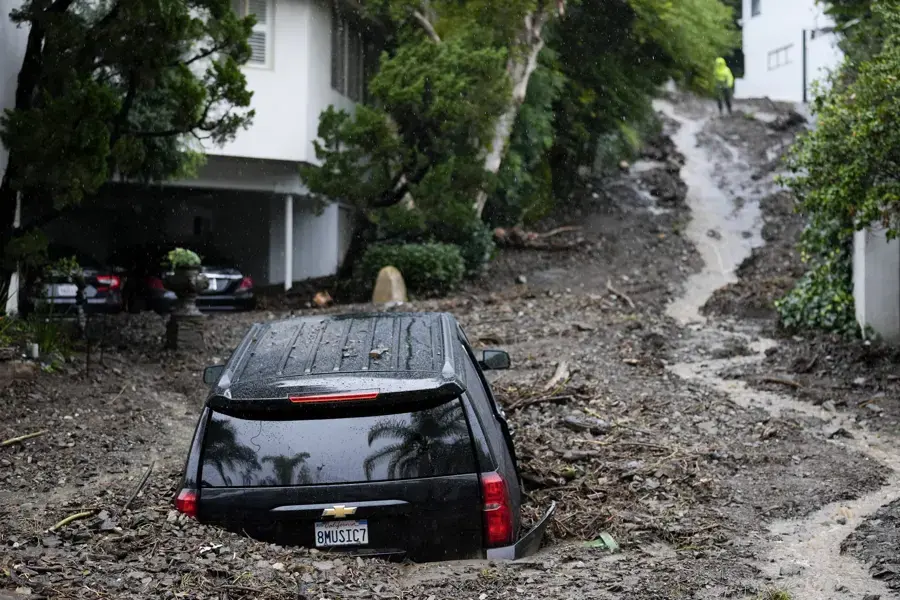
First steps for storm and flash flood cleanup in Redlands
- Stay safe
Keep clear of standing water until the power to the area is off.
- Mark the water
Photograph the high water mark on walls and furniture.
- Save what is dry
Lift valuables to higher ground and leave soaked porous items for removal.
- Call dispatch
Report the depth, the rooms affected and any sewage smell.
Storm and Flash Flood Cleanup trade facts
How storm and flash flood cleanup is handled in Redlands
The tech who does the walkthrough maps moisture before any equipment goes down, and the equipment stays until the readings say dry.
- 1
Pump and clear
Water is pumped off and mud, silt and debris are shoveled out of rooms and garages.
- 2
Remove and discard
Soaked pad, carpet and lower drywall are bagged and hauled away.
- 3
Clean and treat
Remaining surfaces are washed and treated with an antimicrobial before drying begins.
- 4
Dry and verify
Equipment runs until readings match a dry reference, and the file is closed with photos.
Rapid local response
The response team runs 24/7 dispatch and treats active water as urgent, because every hour of wicking adds drying time.
IICRC S500 drying standard
IICRC S500 is the industry drying standard. Crews map moisture first and pull equipment only when the readings say dry.
Claim-ready documentation
A moisture map, daily psychrometric logs and timestamped photos taken before any demolition, the file an adjuster reads.
East Valley water know-how
Slab leaks under hard water, attic AC drains and foothill storm runoff: the local pros know how water moves in a Highland home.
What does storm and flash flood cleanup cost in Redlands, CA?
Storm flood cleanup costs more than a clean water leak because mud, disposal and extra cleaning are added. The ranges below show typical totals, and the real figure depends on depth and the materials soaked.
Garage or one room
- Runoff on a hard floor
- Mud and silt out
- Cleaning and drying
Several rooms
- Carpet and lower drywall removed
- Containment and disposal
- Structural drying
Major flooding
- Deep mud or debris
- Most porous materials gone
- Extended drying
These are typical ranges, not a quote: the category of water, the square footage, the material class and how fast drying started move the number most. Run the water damage cost calculator for a closer range; the restoration contractor who responds scopes the real job on site.
Flood water from a storm is not clean water. It carries soil, debris and bacteria, so the work is cleaning as much as drying, and materials that soaked it up are usually thrown away.
How storm cleanup is done
- Mud and silt are shoveled and pumped out before surfaces are washed.
- Carpet, pad and lower drywall that touched runoff are removed and bagged.
- Hard surfaces and framing are cleaned and treated with an antimicrobial.
- Air movers and dehumidifiers dry the structure while readings are logged.
Once the mud is out, structural drying pulls the remaining moisture from framing and floors.
Redlands flooding history
In September 1976 a thunderstorm over the Crafton Hills dropped nearly 4 inches of rain, most of it in 30 minutes, and flooded downtown Redlands and more than 200 homes with water up to 3 feet deep. The city now has a Flood Damage Prevention chapter, Chapter 15.32, in its municipal code.
A city rezone report also found 11 housing inventory sites located in FEMA flood zones, and the northwest part of town, the old Lugonia area, lies along the Santa Ana River. Not every storm becomes a flood, but those facts explain why runoff cleanup is a regular call after heavy rain.
Steps after the water recedes
Stay out of standing water until power is off, wear boots and gloves, and photograph the high water marks before anything is moved. Call dispatch to set up pumping, removal and drying. Most flood jobs finish with a final walkthrough of readings. If a drain backed up as well, sewage backup cleanup may run alongside the flood work.
Storm and flash flood cleanup across Redlands and nearby communities
Flood cleanup covers all of Redlands, ZIP codes 92373 and 92374, including Lugonia along the Santa Ana River, downtown, the Santa Fe Depot District, Mentone, Crafton and neighborhoods around Smiley Park.
The same service nearby: storm and flash flood cleanup in Highland, Loma Linda, Grand Terrace.
Storm and Flash Flood Cleanup questions in Redlands, CA
Is flood water different from a pipe leak?
Yes. Runoff carries soil and bacteria, so porous materials are usually removed and surfaces are cleaned, not just dried.
Will homeowners insurance cover storm flooding?
Standard policies often exclude flooding, while separate flood coverage may apply. A call to the insurer settles which policy covers the loss.
Can carpet be saved after flood water?
Usually not. Carpet and pad that sat in runoff are removed, though hard floors can often be cleaned and dried.
Does the city regulate building in flood zones?
Redlands has a Flood Damage Prevention chapter in its municipal code, and permits for repairs come from the Building & Safety Division.
What if sewage came up with the flood?
Sewage is treated as black water, with containment and protective gear. The crew handles both under one plan.
Do crews work during the rain?
Pumping and emergency removal can start while the storm continues, but drying equipment is best placed once runoff has stopped and the area is safe to enter.
Runoff in the house?
Dispatch collects the address and the water depth, then sends pumps, cleaning gear and drying equipment sized to the loss and the depth of the water.