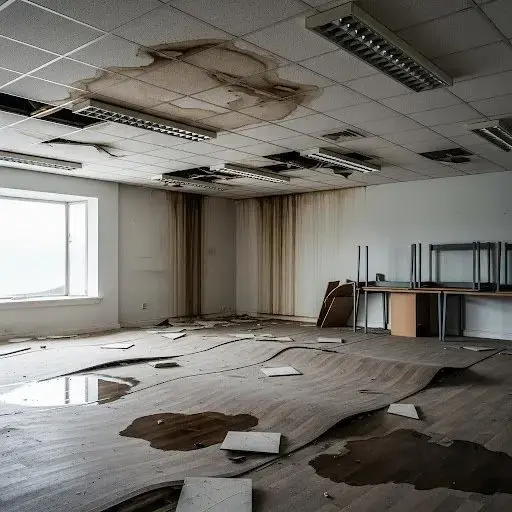
In September 1976 a thunderstorm over the Crafton Hills sent so much water into Redlands that downtown and more than 200 homes flooded, with depths reaching 3 feet. That storm is a useful reminder for anyone who runs a shop, restaurant or office in the city's historic core. This post turns it into a plan for a business owner: what to do first, how older storefronts dry and where permits and records fit.
Key takeaways
- The September 1976 thunderstorm over the Crafton Hills dropped nearly 4 inches of rain and flooded downtown Redlands and more than 200 homes, with water up to 3 feet deep.
- Downtown Redlands and the Santa Fe Depot District hold restaurants, a food hall and older brick buildings that dry differently from newer construction.
- A shop owner's first day is about safety, stock and records, in that order.
- Commercial drying is phased by zone so part of a business can reopen sooner.
- The city's Building & Safety Division issues plumbing, electrical, mechanical and demolition permits, which can affect repair plans.
What happened in September 1976
A thunderstorm over the Crafton Hills dropped nearly 4 inches of rain in a short burst. The runoff reached downtown Redlands and flooded more than 200 homes, with water up to 3 feet deep.
Those numbers come from the city's record of the event, and they show how a single intense storm can overwhelm streets that are dry most of the year.
The lesson for a business is not that the same storm will return. It is that downtown water can arrive fast, and that a plan on paper helps more than one made during a flood.
A storm like that also stresses basements, low storage rooms and back doors. Water does not need to be deep to ruin stock stored on the floor or paper goods kept against a wall.
Why downtown storefronts carry their own risk
Downtown Redlands and the Santa Fe Depot District hold restaurants, shops and the Redlands Public Market food hall. Escape Craft Brewery operates in the 1906 Rondor Building, a reminder of how many older structures stand in the area.
Older buildings often have brick walls, plaster, wood floors and basements or low sections that hold water longer. Newer drywall and slab construction behaves differently.
Tenants in shared buildings also depend on a neighbor's walls and roof. A leak in one unit can reach the next, which is why a first call to the landlord matters.
- Brick and plaster absorb water and release it slowly
- Wood floors cup if the moisture is not controlled
- Food service areas have coolers, grease traps and floor drains
- Stock, paper goods and displays near the floor wick water quickly
A first day plan for a shop or restaurant
The first day is about limiting loss and starting the record. The steps are the same for a retail shop and a kitchen, with a few extras for food service.
A written copy of this list, kept at the register or the back office, is easier to follow during an emergency than one remembered from a conversation.
- Turn off power to wet areas and keep staff out of standing water.
- Photograph the water level, damaged stock and equipment before moving anything.
- Lift inventory off the floor to shelves or counters where it is safe.
- Shut off gas and water supply if there is any doubt about a broken pipe.
- Notify the landlord, the insurer and any tenants who share walls or floors.
Food service extras
Restaurants and cafes should treat any food, ice or packaging touched by flood water as contaminated. Records of what was discarded help the claim.
Protecting records and equipment
Paper files, registers and electronics should come up off the floor first. A photograph of each before and after is useful for the insurer.
How older storefronts dry
Commercial drying starts with extraction and a moisture map, then equipment is placed by zone. A commercial water damage job in an older building usually takes longer than one in a newer building because of the thicker materials.
Crews take readings in walls, floors and under counters. Where flood water carried silt in from the street, the work is closer to storm and flash flood cleanup than to a plumbing leak.
Brick and plaster dry slowly, so the readings decide when equipment can leave, not a calendar.
Floor drains and kitchen equipment bring their own checks. Coolers, ice machines and dishwashers sit on or near drains, so crews test the area for water that backed up through the floor.
Permits and city rules to ask about
Redlands has a Flood Damage Prevention chapter, Chapter 15.32, in its municipal code. The city also reports that 11 housing inventory sites sit in FEMA flood zones, which shows that flood mapping is part of local planning.
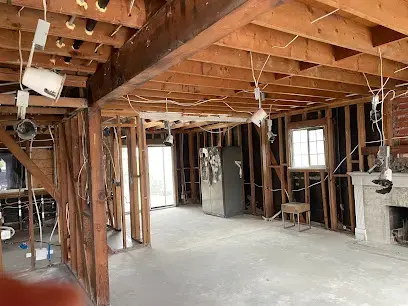
The Building & Safety Division issues building, plumbing, electrical, mechanical and demolition permits. A shop owner who plans to open walls, move plumbing or replace electrical can ask the division which permits apply.
This post does not state what any specific rule requires. The city's permit staff can answer that for a given building.
A storefront that was permitted for a specific use may need different approvals after major repairs. The permit center handles questions like these, and calling before work starts avoids delays.
Keeping the business running
Phased drying lets part of a space reopen while another part is still being treated. A restaurant might reopen its dining room while the kitchen is still being dried, or a shop might keep a front counter open.
Clear communication with the landlord and neighbors matters in shared buildings, because water moves between units through shared walls and floors. The Redlands town page lists the services crews bring to local businesses.
Customers notice how a business handles a loss. A short sign on the door, a message on the website and a plan for deliveries can keep regulars informed.
Records that insurers and landlords ask for
Commercial claims run on documentation. A tidy file shortens the back and forth between the owner, the landlord and the insurer.
The restoration team adds its own readings, photos and scope of work, but the owner is the one who knows what was on the shelves and the floor.
- A dated inventory of stock, equipment and fixtures that were wet
- Photos of the water level, damaged goods and affected walls and floors
- Copies of the lease section that covers building damage and tenant improvements
- The restoration scope, daily moisture readings and equipment logs
- Notes on lost business days and any temporary closure
Questions
How much rain fell in the 1976 Redlands flood?
The city's record says nearly 4 inches of rain fell in the storm over the Crafton Hills, and downtown and more than 200 homes flooded with water up to 3 feet deep.
Does the storm mean downtown Redlands will flood again?
No. The storm is a historical example of how fast water can arrive. It is not a forecast or a statement about any building.
What should a restaurant do with food after flood water?
Food, ice and packaging touched by flood water are treated as contaminated, and a record of what was discarded helps the insurance claim.
Do older brick buildings take longer to dry?
Often yes. Brick, plaster and wood hold more moisture and release it more slowly, so readings decide when drying ends.
Who issues permits for repairs in Redlands?
The Building & Safety Division issues building, plumbing, electrical, mechanical and demolition permits.
Can part of a shop reopen while the rest is drying?
Often, yes. Drying is planned by zone, so a clean, dry front room can reopen while equipment runs in the back.