Roof Leak Water Damage in Redlands, CA
Redlands winters bring steady rain to roofs that spend a long dry summer in the sun. When water gets through, crews remove wet insulation, open ceilings and dry the framing above and below.
(888) 578-6508Book roof leak drying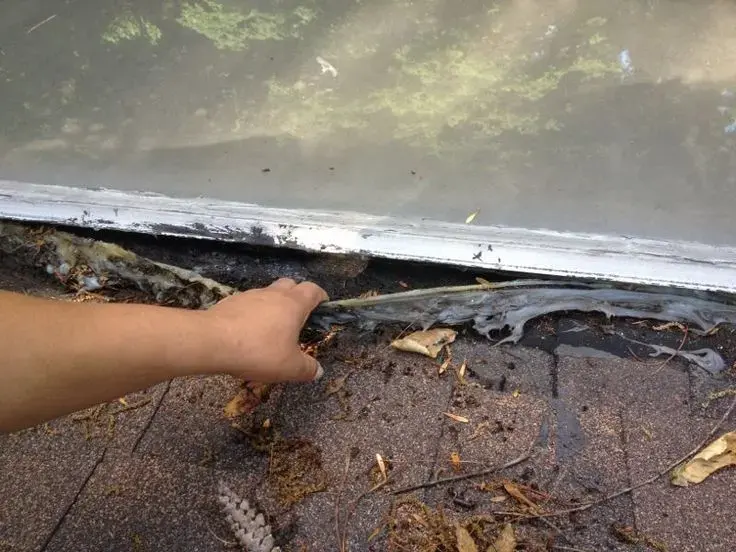
First steps for roof leak water damage in Redlands
- Contain the drips
Set buckets under leaks and move belongings away from wet ceilings.
- Check the attic
Look only from the hatch, and do not step on wet insulation or soft decking.
- Photograph stains
Take dated photos of each stain, drip and wet room.
- Call two trades
Dispatch handles the drying while a roofer handles the roof.
Roof Leak Water Damage trade facts
How roof leak water damage is handled in Redlands
The tech who does the walkthrough maps moisture before any equipment goes down, and the equipment stays until the readings say dry.
- 1
Find the path
A meter and thermal camera follow the water from the stain back to where it entered.
- 2
Remove the wet layer
Wet insulation and sagging drywall come out so the cavity can breathe.
- 3
Dry the framing
Air movers and dehumidifiers dry rafters, decking and ceiling joists.
- 4
Check and report
Readings in each room are compared with a dry reference and filed with photos.
Rapid local response
The response team runs 24/7 dispatch and treats active water as urgent, because every hour of wicking adds drying time.
IICRC S500 drying standard
IICRC S500 is the industry drying standard. Crews map moisture first and pull equipment only when the readings say dry.
Claim-ready documentation
A moisture map, daily psychrometric logs and timestamped photos taken before any demolition, the file an adjuster reads.
East Valley water know-how
Slab leaks under hard water, attic AC drains and foothill storm runoff: the local pros know how water moves in a Highland home.
What does roof leak water damage cost in Redlands, CA?
Roof leak cleanup in Redlands depends on how much attic insulation got wet and how far the water traveled below. The ranges here cover removal and drying only, with roof repair billed by the roofer.
Single stain
- One ceiling spot
- Attic insulation inspected
- Dried in place
Wet attic
- Insulation removed
- Ceiling drywall opened
- Decking dried
Several rooms
- Water in framing
- Ceilings and walls cut out
- Long structural drying
These are typical ranges, not a quote: the category of water, the square footage, the material class and how fast drying started move the number most. Run the water damage cost calculator for a closer range; the restoration contractor who responds scopes the real job on site.
Roof leaks rarely show where they start. Rain enters at a flashing or a damaged tile, runs along a rafter and drops onto insulation, and the first sign downstairs is a brown stain that may already be the size of a plate. By then the attic has been wet for some time.
How winter rain tests Redlands roofs
Redlands has a dry summer subtropical climate. July highs average about 94.5 F, and January and February bring the wettest weather, with 2.68 inches and 2.64 inches of rain on average. Heat bakes the roof all summer, and the first heavy storm of the season finds every weak spot at once.
What cleanup covers
- Wet insulation is pulled out and bagged so the attic can dry.
- Stained or sagging ceiling drywall is cut open to release trapped water.
- Rafters and decking are checked with a meter and dried in place.
- Rooms below are checked for water that traveled along the framing.
A roofer repairs the roof, and a tarp can hold the opening until then. Cleanup crews do not replace tiles or flashing, and the drying itself follows the steps in structural drying.
Rental buildings and older homes
In an apartment building, a roof leak often lands on a top floor unit first and then drips into the one below. Crews check each unit, record readings in each and keep the notes separate for the landlord and every tenant's insurer. In older houses near Smiley Park, wood trim and plaster ceilings need slower drying so they do not crack.
While waiting for the crew
Place buckets under drips, move belongings away from stained ceilings and photograph everything. Never poke a sagging ceiling, because it may be holding a lot of water. Call dispatch, and see ceiling leak water damage for what happens after the ceiling opens.
Roof leak water damage across Redlands and nearby communities
Roof leak calls are handled across Redlands, in ZIP codes 92373 and 92374, including Idlewild, Victoria, Lugonia and Chicago Colony, older streets such as Terracina Boulevard and the avenues in between.
The same service nearby: roof leak water damage in Highland, Loma Linda, Grand Terrace.
Roof Leak Water Damage questions in Redlands, CA
Why do roof leaks show up weeks after rain?
Water often travels along rafters and soaks insulation before it reaches the ceiling, so a stain can appear long after the storm.
Does insurance cover roof leak damage?
Policies often cover water damage from a sudden roof failure but not wear or neglect. The adjuster reviews the cause and the records.
Can a ceiling be dried without cutting it?
Small stains can sometimes be dried in place. Sagging or soaked drywall has to be opened so the cavity can dry, and a meter confirms the answer.
Is a tarp worth putting on?
A tarp installed by a roofer limits further rain, which keeps cleanup smaller. It is a stopgap, not a repair.
How is mold prevented after a roof leak?
By removing wet insulation, drying the framing quickly and checking readings before the ceiling is closed.
Who handles the roof itself?
A roofer repairs the roof. Cleanup crews handle the water inside and coordinate with the roofer. See water extraction for floors that got wet.
Stains on the ceiling?
Dispatch can sort what is dripping, what is wet above and what has to open, then send a crew with meters, bags and drying gear.