Ceiling Leak Cleanup in Grand Terrace, CA
A brown ring, a bulge or a steady drip means water is above the drywall. Crews find the source, open only what is wet and dry the joist bays before the ceiling is patched.
(888) 578-6508Request a ceiling leak check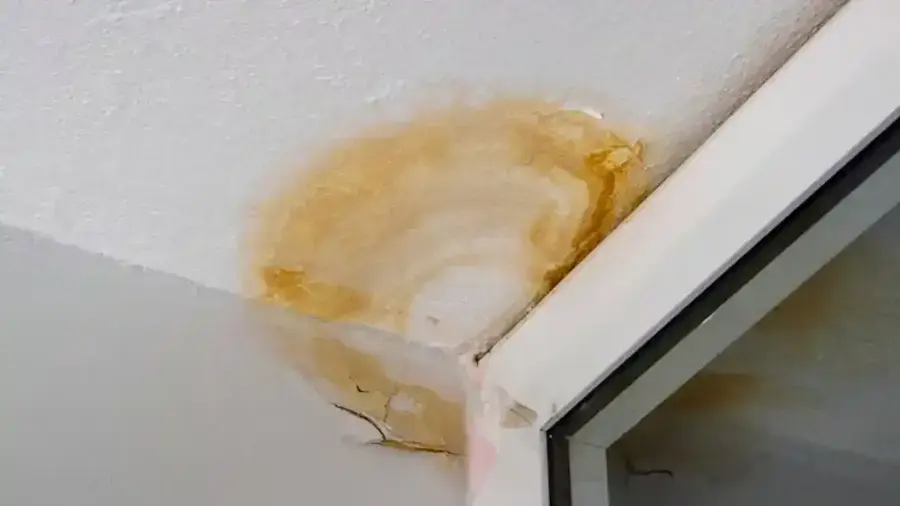
First steps for ceiling leak water damage in Grand Terrace
- Protect belongings
Move furniture and electronics away and cover what stays with plastic.
- Stop the supply
If plumbing is the cause, close the nearest valve or the main.
- Release the bulge
Pierce a bulging ceiling once over a bucket so the water drains in a controlled way.
- Photograph and call
Take pictures of the stain, then call dispatch with the room and the likely source.
Ceiling Leak Water Damage trade facts
How ceiling leak water damage is handled in Grand Terrace
The tech who does the walkthrough maps moisture before any equipment goes down, and the equipment stays until the readings say dry.
- 1
Trace and test
Meters follow the water from the stain back to the source, and the right trade is called.
- 2
Open and drain
Bulges drain and wet drywall comes out in neat sections.
- 3
Remove and dry
Soaked insulation goes out, then air movers and a dehumidifier dry the joist bays.
- 4
Read and release
Final readings show the cavity is dry, and the room is ready for patching.
Rapid local response
The response team runs 24/7 dispatch and treats active water as urgent, because every hour of wicking adds drying time.
IICRC S500 drying standard
IICRC S500 is the industry drying standard. Crews map moisture first and pull equipment only when the readings say dry.
Claim-ready documentation
A moisture map, daily psychrometric logs and timestamped photos taken before any demolition, the file an adjuster reads.
East Valley water know-how
Slab leaks under hard water, attic AC drains and foothill storm runoff: the local pros know how water moves in a Highland home.
What does ceiling leak water damage cost in Grand Terrace, CA?
Ceiling leak pricing follows the size of the wet area. A small patch costs the least, while a full ceiling or a leak that reached two floors calls for more removal and longer drying.
Small patch
- One stain caught early
- A small section cut out
- Joist bay drying
One full ceiling
- Sagging drywall removed
- Wet insulation out
- Walls checked and dried
Two floors wet
- Floor above and ceiling below
- Several rooms affected
- Extended drying
These are typical ranges, not a quote: the category of water, the square footage, the material class and how fast drying started move the number most. Run the water damage cost calculator for a closer range; the restoration contractor who responds scopes the real job on site.
A ceiling is the last place water shows, not the first. By the time a stain appears, the leak may have been soaking insulation and drywall for days, and the real source can be a bathroom, a roof or an air conditioner overhead.
Find the source before cutting
A stain under a bathroom usually points to a supply pipe, a drain or a tub overflow. A stain under an attic points to the roof or a duct. The right trade fixes that source first, or the ceiling will get wet again.
In shared buildings the source may sit in the unit above, so the landlord or manager usually needs a call too.
What happens to a wet ceiling
- A bubble of trapped water is released with a small hole
- Sagging drywall is cut out in squares
- Wet insulation above is removed and bagged
- Exposed joist bays get air movers and a dehumidifier
Drywall that only carries a faint stain but reads dry is often left in place. Anything soft, swollen or saturated is cut out because it will not hold paint or screws again. Walls under the ceiling are checked because water follows the framing downward.
Ceilings are patched by a drywall finisher after readings confirm the cavity is dry. Photos of the opened ceiling go in the file before any patching.
Two floors, one claim
When water comes from an upstairs bathroom or laundry, damage often shows on the floor above and the ceiling below. Both are documented together, and a single moisture log covers each room. The water heater leak cleanup and appliance leak pages describe common upstairs causes.
Ceiling leak water damage across Grand Terrace and nearby communities
Ceiling leak crews work throughout Grand Terrace, from homes near De Berry Street and Michigan Street to apartments and offices along Barton Road, all within ZIP code 92313 and the surrounding blocks.
The same service nearby: ceiling leak water damage in Highland, Colton, Loma Linda.
Water damage restoration in Grand Terrace · every town covered
Related water damage services in Grand Terrace
Ceiling Leak Water Damage questions in Grand Terrace, CA
Is a stained ceiling an emergency?
If it drips, bulges or grows, yes. A dry stain may be old, but a spreading or wet one means water is still above the drywall and the area should be checked before the ceiling fails.
Should I poke a hole in a sagging ceiling?
If water is pooled in a bulge, one small hole over a bucket lets it drain before the drywall collapses. Stand to the side, wear eye protection and leave the rest to the crew.
Will insurance cover a ceiling leak?
Coverage depends on the cause. A burst pipe or sudden appliance failure is often covered, while long term seepage may not be. The crew records the cause, the wet area and every removal for the adjuster.
How do I know if the leak is from the roof?
A stain that appears or grows after rain points to the roof, while one that appears with no rain points to plumbing or an air conditioner. A moisture reading narrows it down.
Can the ceiling be repainted over the stain?
Not safely. Paint over a wet or unrepaired stain traps moisture and the ring usually bleeds back. The area should read dry first, then the drywall can be repaired, primed and painted.
Keep the leak from reaching the walls
Water above the drywall follows the framing down, so drying the cavity early limits repairs below.