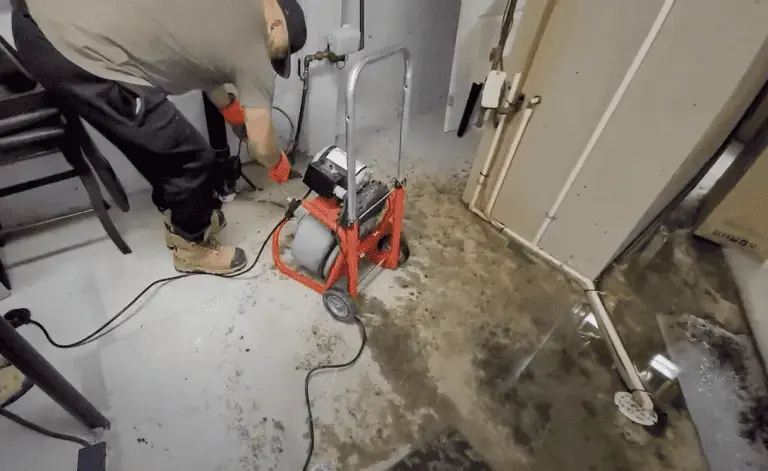
When a toilet, tub or floor drain pushes sewage back into a San Bernardino home, the first question is who is responsible for the pipe. The answer splits in two: the municipal utility handles the sewer mains, and the property owner maintains the lateral that connects the building to the main. This post explains that split, the common causes, the first steps and how the cleanup is done.
Key takeaways
- San Bernardino Municipal Water Department handles drinking water and sewer collection and treatment for the city.
- The property owner maintains the sewer lateral from the building to the sewer main, including the part under the sidewalk, curb and street.
- Repairs to a lateral that reach the street or city right of way need a permit.
- Sewer backups into toilets, sinks or tubs are reported to the utility by phone, not electronically.
- Sewage is Category 3 water, so affected porous materials are removed and the area is cleaned and treated.
Who handles what in a sewage backup
San Bernardino Municipal Water Department, created in 1905, serves about 200,000 people. It supplies drinking water from local groundwater and also handles sewer collection and treatment.
The utility took over the sanitary sewer collection system from City Public Works on May 1, 2017. Since then, mains and the treatment side sit with the utility.
A homeowner who sees water in the lowest fixture of the house cannot tell from the surface which side of the property boundary the blockage sits on. That is why the plumber's diagnosis, and a record of it, is worth keeping.
- The utility maintains the sewer mains under the street
- The property owner maintains the lateral from the building to the main
- The owner's part includes the stretch under the sidewalk, curb and street
- Repairs that reach the street or city right of way need a permit
Why the lateral matters
The lateral is the pipe a homeowner never sees. A backup that starts in the lateral is a different problem from one that starts in the main, and the party who fixes it is different too.
What the utility names as common causes
The utility lists the habits that most often lead to sewer overflows. They are ordinary things that go down a drain every day, which is why backups surprise people.
Grease is a common culprit because it cools and hardens inside the pipe. Wipes do not break down the way toilet paper does, and roots find the smallest gap in a joint and keep growing into it.
- Flushed wipes and paper towels, including products labeled flushable
- Fats, oils and grease poured down kitchen drains
- Root blockages that grow into the pipe through small joints
What a clog looks like
A slow drain in the lowest fixture of the house, often a shower or floor drain, is usually the first sign. Gurgling in a toilet when a washer drains is another.
First steps when sewage backs up
Safety comes before everything else. Sewage carries bacteria and viruses, so skin contact and splashing should be avoided.
A plumber's first visit usually answers one question: is the blockage in the lateral or in the main? If the main is blocked, the utility handles it, and a restoration crew can still dry the home while that work happens.
- Stop using water in the house, including toilets, sinks, showers and washers.
- Keep children, pets and anyone with a weakened immune system away from the affected rooms.
- Open windows for air if that is safe, and avoid mixing cleaning chemicals.
- Photograph the affected rooms and fixtures before anything is moved.
- Report the backup to the utility by phone, because it does not take backup reports electronically.
- Call a plumber to find out whether the blockage is in the lateral or in the main.
Do not clean it up as ordinary water
Mopping sewage with household tools spreads contamination. Towels, rugs and clothing that touched it should be bagged, not washed with regular laundry.
Why sewage backup is Category 3 cleanup
Sewage is treated as Category 3 water, the most contaminated class. A sewage backup cleanup crew uses protective gear, containment sheeting and air scrubbers so the problem does not spread to clean rooms.
Carpet, pad and lower drywall that absorbed the water are removed and disposed of. Hard surfaces are cleaned, treated with an antimicrobial and dried.
Crews also document each step with dated photos and moisture readings. Those records show the insurer how far the contaminated water traveled and which materials had to be removed.
What gets removed and what is saved
Porous materials cannot be cleaned reliably once sewage has soaked in. Sealed floors, concrete and framing can usually be cleaned and kept.
A crew also seals off the affected rooms with plastic so dust and spray do not travel to clean areas, and it runs negative air so the contaminated air stays inside the work zone.
- Carpet and pad come out
- Lower drywall and insulation come out where wicking reached
- Tile, concrete and sealed wood are cleaned, treated and dried
Drying after the cleaning
Once the contaminated material is out, air movers and dehumidifiers dry the framing. The structural drying page covers how readings are taken and logged until the structure is dry.
The permit question for street side repairs
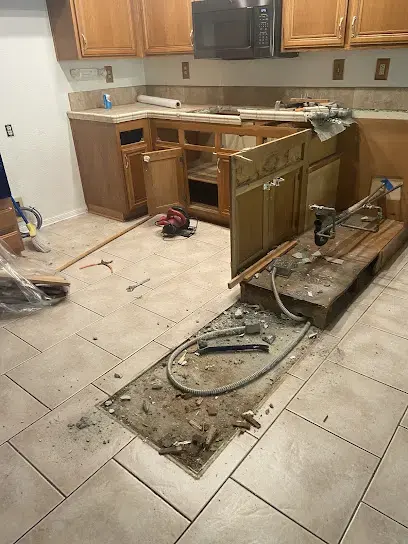
The utility notes that repairs to a lateral that reach the street or city right of way need a permit. A plumber familiar with the process will usually pull it before digging.
A restoration crew does not repair laterals. Its role is the cleanup and drying inside the home, while the plumber handles the pipe.
For city specific details, the San Bernardino page explains the area the crews serve.
Because the street side of a lateral sits under public ground, the work often involves the utility and the city. That is one more reason to get the plumber's diagnosis in writing before the cleanup is closed out.
Renters, landlords and records
The city's owner occupied rate is 50.0 percent, so about half of households rent. A tenant who sees a backup should tell the property manager or owner at once and keep photos.
The restoration work and the plumber's report help show what happened. For a rental, the owner and the tenant's insurance can both be involved, so dated records matter.
Homeowners and tenants alike should keep copies of the plumber's findings, the photos taken before cleanup and the restoration team's moisture log.
If a tenant moves belongings out of the affected room, a list of what was moved and what was damaged helps both the tenant's insurer and the owner's.
Preventing the next backup
Not every backup can be prevented, but the utility's own list of causes points to habits that lower the odds. Small changes at the sink and toilet add up over years.
A plumber can also camera inspect the lateral and clear roots before they cause a blockage. That step is separate from a restoration job, but it often follows one.
- Put wipes, paper towels and similar products in the trash, not the toilet
- Pour cooking grease into a container and discard it, instead of down the drain
- Ask a plumber about root growth if the same drain backs up more than once
- Keep the area around a cleanout clear so it can be reached quickly
- Have the lateral inspected after a backup, before the cleanup is closed out
Questions
Is the sewer lateral the homeowner's responsibility?
The utility says the property owner maintains the lateral from the building to the sewer main, including the part under the sidewalk, curb and street.
How are sewer backups reported in San Bernardino?
The utility takes sewer backup reports by phone, not electronically. A homeowner should call the utility and also a plumber.
Does a street side lateral repair need a permit?
Yes. The utility says repairs that reach the street or city right of way need a permit.
What causes most sewer overflows?
The utility names flushed wipes and paper towels, fats, oils and grease, and root blockages among the leading causes.
Can carpet be saved after sewage backs up?
Usually not. Carpet and pad that soaked up sewage are removed, while hard surfaces are cleaned, treated and dried.
Should a tenant call the utility or the landlord first?
Both. The utility takes backup reports by phone, and the landlord or property manager needs to know right away so a plumber can be arranged.