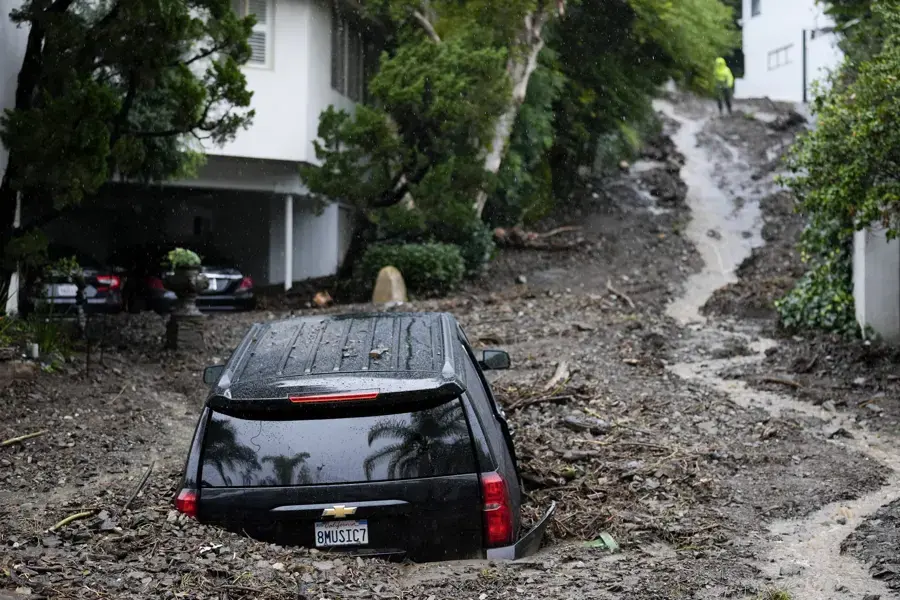
San Timoteo Creek flows through Loma Linda from the southeast to the northwest, and when it rises the water can reach homes and yards well beyond its banks. This post covers what the city's own history says about past overflows, how FEMA map changes fit in, and why creek water entering a house is handled differently from a roof leak or a broken pipe.
Key takeaways
- San Timoteo Creek flows from southeast to northwest through Loma Linda.
- In 1969 the creek overflowed its banks and flooded about two thirds of Loma Linda, and in 2010 it flooded parts of the city again.
- FEMA issued a Letter of Map Revision for the San Timoteo Creek Channel, which may affect flood insurance requirements for some homeowners.
- Creek water carries silt and contaminants, so cleanup follows flood class rules and soaked porous materials are removed.
- Photos, dated notes and moisture readings make later insurance conversations easier.
San Timoteo Creek in Loma Linda
San Timoteo Creek runs through Loma Linda from southeast to northwest, crossing a city known for its university and its medical center.
The city's supply comes from groundwater in the Bunker Hill Basin, so its drinking water does not depend on the creek. That is a separate system from the one that carries storm runoff.
Most of the year the channel is quiet, and that can make a flood feel unlikely. History shows that a wet winter can change that quickly, and a household that has a plan loses less time and less property.
The 1969 overflow
In 1969 San Timoteo Creek overflowed its banks and flooded about two thirds of Loma Linda. The water washed out many bridges and completely flooded Loma Linda Academy, the private Seventh day Adventist school for kindergarten through high school.
The 2010 flooding
In 2010 the creek flooded parts of Loma Linda again. That event was smaller than 1969, but it showed that the creek can still leave its channel in a wet year.
Creek water is not the same as a roof leak
A roof leak or a split pipe starts with clean or nearly clean water. Creek water does not.
It crosses yards, roads and the creek bed itself before it reaches a door, and it carries silt, plant debris and whatever else was in its path.
For that reason, storm and flash flood cleanup treats creek water as Category 3, the most contaminated class. Carpet, pad and lower drywall that soaked it up are removed instead of dried in place.
The practical difference shows up in the cleanup. A pipe leak can often be dried in place, while creek water leaves a coating that has to be removed from every surface it touched.
- Silt settles into carpet backing and cabinet bases
- Debris can block floor drains and sumps
- Contaminants make the cleanup a protective gear job
- Water often rises through door thresholds and low windows rather than through a roof
- Water that stood in a garage or low room often leaves a visible tide mark on the wall
FEMA maps and the Letter of Map Revision
Flood maps decide who is asked to carry flood insurance, and they change over time. FEMA issued a Letter of Map Revision for the San Timoteo Creek Channel, and the city notes that it may affect flood insurance requirements for some homeowners.
The city also posts FEMA flood insurance rate maps dated August 28, 2008, for west, northwest, northeast and east Loma Linda. A homeowner who wants to know how a specific address is mapped can ask the city or an insurance agent.
This post does not say which homes sit in any zone. That detail depends on the map and the property, and it should come from the city's own records.
Map changes also matter for lenders and for homeowners who are buying or refinancing. A change in the map can mean a different insurance requirement than a seller or neighbor had a few years earlier.
First steps when creek water enters a home
The goal is safety first, then records, then removal. A few actions protect the family and the claim.
A short, written list of these steps, kept near the electrical panel, is easier to follow in the dark than a memory of what to do.
Homeowners who rent should tell the landlord or property manager at once, because the building owner has to arrange repairs to the structure and the tenant's own insurer may handle belongings.
- Stay out of standing water and turn off power to wet rooms from a dry spot.
- Photograph the water mark on walls, the silt on floors and any damaged belongings.
- Move electronics and papers to higher shelves and keep children and pets away.
- Wear boots and gloves, and avoid tracking mud into dry areas.
- Write down when the water arrived and when it left.
- Call the insurance company and ask about the type of policy that applies.
Extraction, cleaning and drying
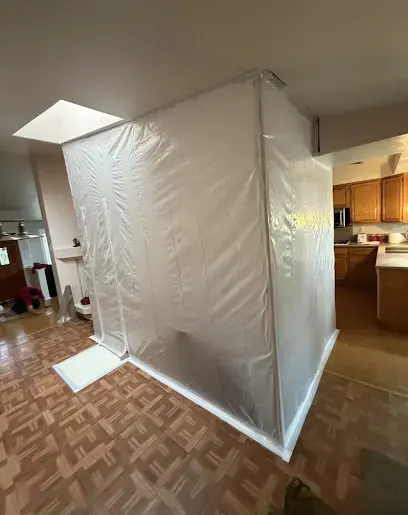
A crew starts with the largest volume of water and silt, then moves to the details. Heavy silt is shoveled, standing water is pulled with extractors, and affected materials are removed.
Pulling the water and silt
Water extraction with truck mounted units removes the bulk quickly. Squeegees and wet vacuums handle what is left on hard floors.
Cleaning and drying
After the cleaning, hard surfaces are treated with an antimicrobial and air movers and dehumidifiers dry the structure. Moisture readings in framing and slab decide when drying is finished.
Garages and ground floor rooms near a creek often dry slower than expected because silt holds water against the concrete. The Loma Linda storm and flood page explains how crews handle those rooms.
Why a medical and school city needs a plan
Loma Linda University Medical Center and the city's schools, including Loma Linda Academy and Redlands Unified campuses, create a large daytime population. Homes and businesses near the creek share the same roads and bridges that carried the 1969 water.
A household plan helps in a wet year: know where the main water and power shutoffs are, keep photos of belongings, and have a contact for a restoration crew. The Loma Linda page lists the services the crews provide locally.
A bridge washed out in 1969 is a reminder that roads can close when water is high. Plan for delays, because a crew and an adjuster may need extra time to reach a property.
Records that help with insurance
Insurers ask what happened, when and how far the water reached. Dated photos, a list of damaged items and the restoration team's moisture log answer most of those questions.
A homeowner who is unsure whether flood damage is covered can ask the agent before the loss, not only after. Standard homeowners policies often treat flood differently from a pipe break.
Keep copies of any flood map letter the city or a lender sends, because the date and the zone on the paper may matter later.
Questions
Where does San Timoteo Creek run in Loma Linda?
It flows from the southeast to the northwest through the city.
How bad was the 1969 flooding?
The creek overflowed and flooded about two thirds of Loma Linda, washed out many bridges and completely flooded Loma Linda Academy.
What is a Letter of Map Revision?
It is a FEMA change to a flood map. For the San Timoteo Creek Channel, the city says it may affect flood insurance requirements for some homeowners.
Is creek water cleaned like a plumbing leak?
No. Creek water is treated as Category 3, so soaked carpet, pad and lower drywall are usually removed and surfaces are cleaned and treated.
Does the creek supply Loma Linda's drinking water?
No. The city's water comes mainly from groundwater in the Bunker Hill Basin.
Should a Loma Linda homeowner call the insurer before the cleanup starts?
Yes. The insurer can explain what documentation it needs, and photos should be taken before any material is removed.